
When considering the human being as a social creature from psychological and psychiatric perspectives—starting from the earliest stage, at birth—we know that an infant is entirely dependent on its parents or another caregiver. That is where the significant relationships of our lives begin to form. Subsequent stages involve starting kindergarten and school; here, the child establishes various connections—both „horizontal“ ones with peers and interactions with teachers and professors. It is in these settings that a child first encounters authority figures and learns how to behave, discovering that certain boundaries and rules of conduct exist within a social environment. Depending on its nature, that environment can be supportive, or it can act as a hindrance—an unsupportive factor that gets in the way.
Family dynamics and workplace relationships significantly influence us; in today’s world, we simply cannot live in total isolation, nor can we cut ourselves off from these types of daily interactions. I would also like to emphasize the need to make a clear distinction between solitude and loneliness. Solitude is something a person sometimes chooses for themselves—time for us, time to focus on ourselves and our thoughts, to read, or to devote to prayer. Experts and serious scientific studies have demonstrated the significance of prayer regarding health—specifically its impact on blood pressure, heart rate, and so forth.
As for loneliness—that is something entirely different, and it is not something we choose. Loneliness is a subjective experience, a personal feeling that we have no one to turn to when we need support. This often leads me to ask—especially when analyzing ourselves and our own behaviour—whether others (friends, acquaintances, or family) would choose *us* as a trusted confidant or as someone to call during difficult times.
I would also like to discuss the concept of „mature belonging.“ What does this entail? Mature belonging implies relationships within a community where we can express ourselves—our views and opinions—while remaining open to constructive criticism from others. Such criticism helps us grow and improve every day; indeed, this is how I evaluate any relationship. We cannot remain the same tomorrow as we are today; we will either become worse or better. The true value of any relationship lies in its ability to help us progress in every sense.
We should frequently ask ourselves who is there for us. Do we have someone we can call when things get tough? That is a crucial question. On another note, human beings have biological motives; science and psychiatry generally distinguish between biological motives and social motives. Biological motives include the drive for survival, hunger, and thirst, whereas social motives are precisely what we are discussing today—motives that developed through togetherness, within a community, and in interaction with other people. Psychiatry recognizes that humans have a drive to find their place in society, a drive to perform good deeds, and a drive to position themselves in their work so as to contribute to the community. When I was studying for my exam and learning about this classification, altruism was cited as a social motive. Altruism is the act of sacrificing oneself for the well-being of another person, the community, or people in general. As I read about it, I found myself asking—truly and deeply—“God, does this actually exist today? And to what extent?“
Earlier, I spoke about the extent to which humans are social beings. Indeed, we are; we cannot manage alone. The first warning sign—when someone close to us begins to withdraw into themselves (what we in psychiatry call „social restriction,“ meaning isolation from all contact with family and friends and a retreat into solitude)—is an indication that something is happening at a psychological or psychiatric level. In such situations, we certainly should not say to that person: „Come on, look—you have a good life, a job, and a family; pull yourself together and be grateful for what you have.“ If we say that, we send the message that we do not understand them. We need to reach out to such a person—to be there, to offer support and assistance, and ultimately, to accompany them to a doctor’s appointment.
A topic I find interesting—and one we have mentioned several times today—is social media. I often hear people say, „That didn’t exist in my day.“ Yet, we live in the present, and we must adapt to the times. However, our engagement with it should be constructive and critical. We encounter a vast amount of information every day. We need to analyze how to approach it—examining the source of the information and the characteristics of the people or media outlets disseminating it—and cultivate a truly critical perspective. We need to reflect on what we have read. It seems to me that we have never been more lonely. There are so many contacts, yet what a person needs is not merely contact, but a genuine connection—warmth, conversation, and the human impulse to reach out and offer help when we see someone withdrawing or feeling lonely.
Thank you for your attention.
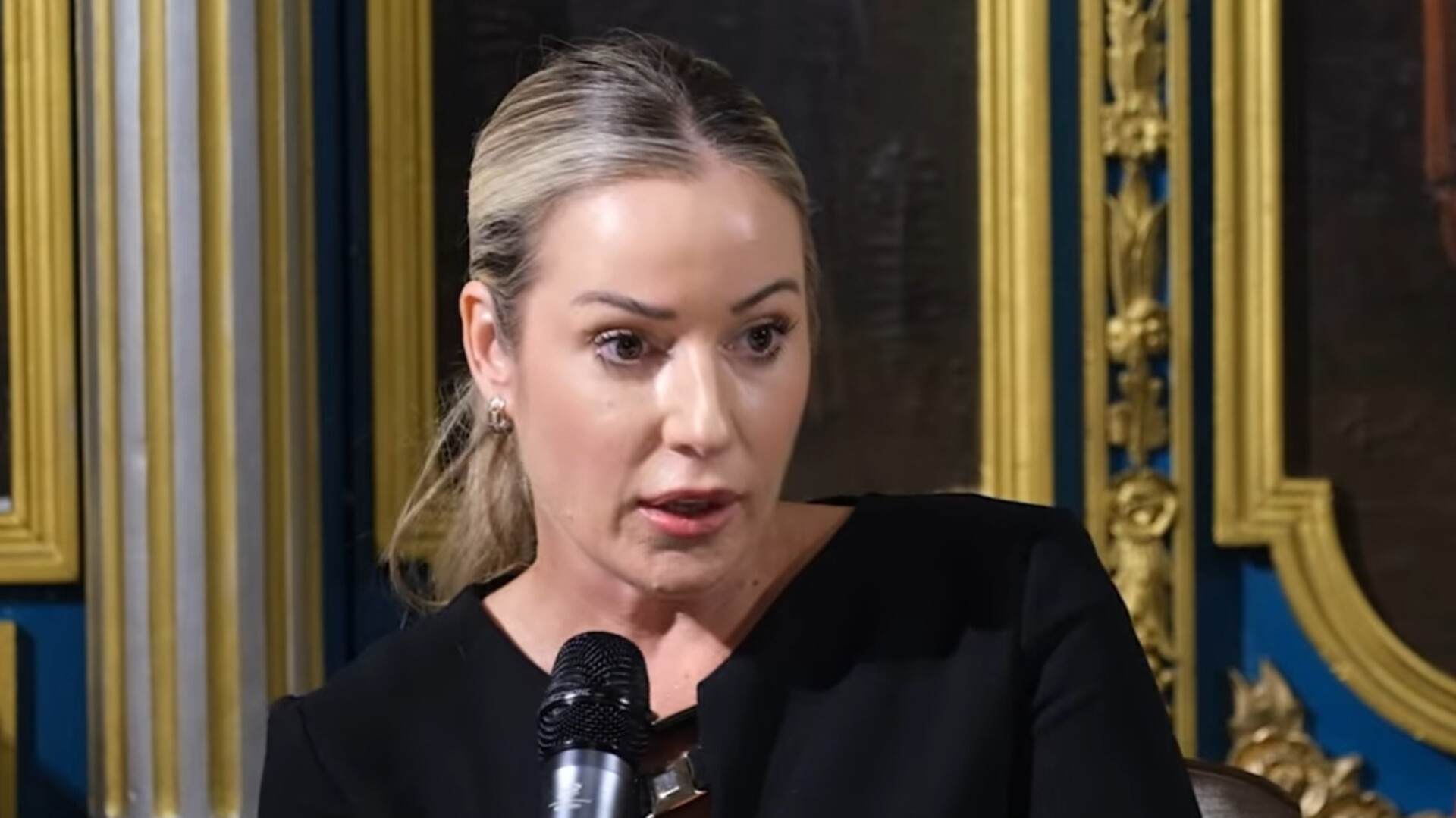
Address by Dr. Aleksandra Aničić at the discussion panel „Kinonia – A Call to Community,“ held on September 14, 2026, to mark the second anniversary of the „Kinonia“ portal.